Parenting an infant comes with joy, sleepless nights, and countless decisions. In today’s digital age, technology is becoming a powerful ally for new parents. It offers tools that make infant care more informed, efficient, and less overwhelming.
From smart monitors to sleep apps, technology now plays a key role in supporting early child development. These innovations not only help parents stay organized and responsive but also bring peace of mind by providing expert-backed guidance.
This article explores how modern tech tools are transforming the way parents care for their babies, making early parenting a little smoother.
Smart Monitoring Systems for Peace of Mind
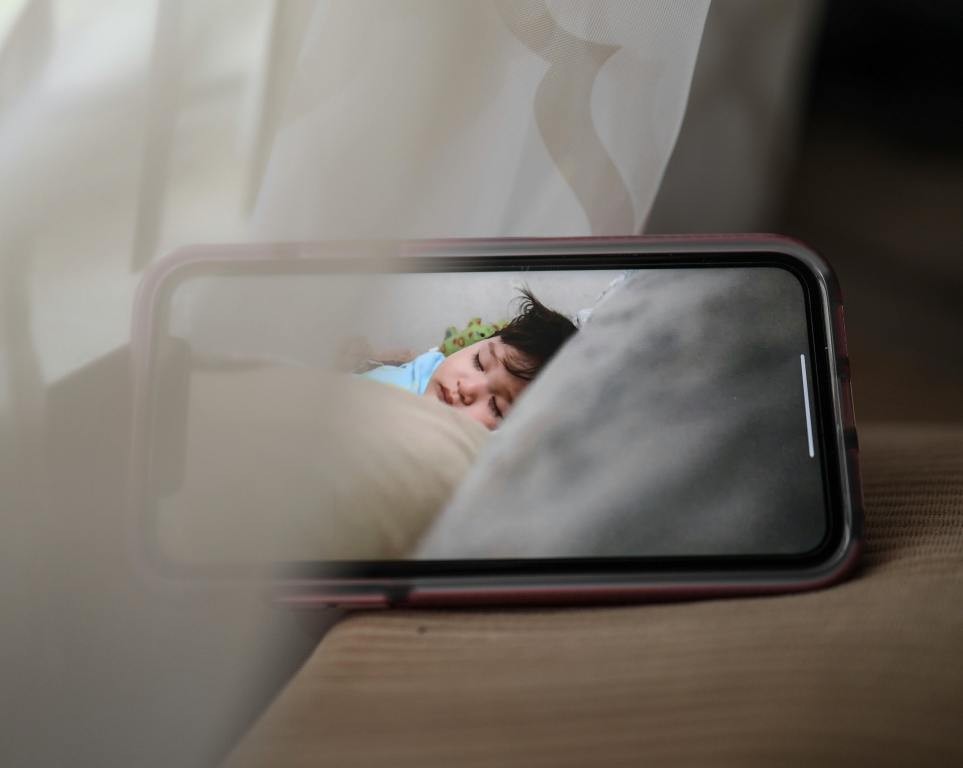
Modern baby monitoring technology offers parents unparalleled peace of mind, extending far beyond basic audio-video feeds. Today’s smart monitors incorporate advanced sensors to track crucial metrics like breathing patterns, heart rate, sleep quality, and room temperature. Sophisticated algorithms detect irregularities, alerting parents to potential concerns before they escalate.
Wearable monitors, such as smart socks and chest bands, offer continuous, non-intrusive monitoring. The worldwide wearable baby monitor market, driven by rising safety concerns, was estimated at USD 2.29 billion in 2024. It is projected to reach approximately USD 4.34 billion by 2034, with North America leading this growth.
These devices sync with smartphone apps, delivering real-time data and historical trends, aiding parents in understanding sleep cycles and overall health. Many systems also optimize the nursery environment by monitoring humidity, air quality, and noise levels.
Video monitoring has also evolved to include two-way communication, night vision, and automated alerts for movement or sound. Some advanced systems leverage AI to distinguish between normal baby sounds and genuine distress signals, ensuring prompt notification of true concerns.
Feeding Management and Nutritional Tracking
According to the WHO, optimal infant and young child feeding is especially important during the first two years of life. It plays a vital role in reducing illness and mortality, lowering the risk of chronic diseases, and supporting healthy development. In fact, optimal breastfeeding alone could save over 820,000 children under five each year.
Smart feeding bottles now track intake volume, duration, and frequency, giving parents and healthcare providers insight into a child’s nutritional patterns. Feeding apps help log breastfeeding or bottle sessions, offering reminders, growth charts, and easy sharing of data with pediatricians.
Some advanced apps even use AI to analyze feeding trends and offer personalized guidance. For breastfeeding mothers, smart breast pumps with app connectivity allow for precise scheduling, milk production tracking, and storage monitoring. These tools empower parents to support their child’s development with greater ease and accuracy.
Health Monitoring and Safety Considerations
Even regular, everyday products used in infant care can sometimes pose hidden health risks. While technology has enhanced our ability to monitor babies’ well-being, it also plays a crucial role in helping parents stay alert to potential dangers.
One such concern is the risk of necrotizing enterocolitis (NEC), a serious intestinal condition that primarily affects premature infants. The baby formula lawsuit highlights the connection between NEC and certain cow’s milk-based baby formulas.
According to TorHoerman Law, many families have filed claims against Abbott and Mead Johnson. They allege that the companies’ products, Similac and Enfamil, increase the risk of NEC and were sold without adequate warnings.
Technology can help parents track feeding responses, identify early signs of digestive distress, and log symptoms like vomiting or stool changes. Smart feeding devices, paired with health apps, offer valuable data for both parents and pediatricians. Staying informed through trusted digital platforms empowers families to make safer, better-informed choices for their child’s nutrition.
Sleep Optimization Through Technology
Sleep challenges are a significant stressor for new parents, yet technology offers innovative solutions for improving both infant and parental sleep quality. Smart sleep systems combine environmental monitoring with behavioral analysis, creating optimal conditions for rest.
Advanced sleep monitoring devices track sleep stages, duration, and quality, helping parents understand natural sleep patterns and identify effective approaches. Some systems incorporate gentle vibration or sound to soothe babies back to sleep without intervention, promoting longer rest for the whole family. Environmental control technology, like smart thermostats and lighting, automatically adjusts nursery conditions.
However, despite advancements, the rate of sleep-related infant death has plateaued since the 1990s’ “Back to Sleep” campaign by the AAP. SIDS continues to be the primary cause of death in infants after the neonatal period. This underscores the need for pediatricians to support all families in implementing risk-reduction recommendations. Technology complements, but does not replace, established safe sleep practices for promoting well-being.
Communication and Development Tracking
Technology facilitates the secure sharing of infant health data, growth measurements, and developmental milestones. These digital platforms provide pediatricians with comprehensive information, reducing the burden on parents to recall and relay detailed progress updates during appointments.
Developmental tracking applications empower parents to monitor cognitive, physical, and social milestones, offering guidance on age-appropriate activities. Many apps include video recording, allowing parents to document and share developmental moments for professional assessment.
This is particularly crucial for subtle motor deficits, which, according to Nature, affect an estimated 1 in 6 U.S. children and are often undetected until age two or older. Early detection within the first year, aided by technologies to objectively measure infant motion at home, could significantly improve lifelong outcomes.
Some advanced systems leverage artificial intelligence to analyze baby vocalizations, movement patterns, and behavioral cues. These insights can help identify developmental progress and highlight potential areas of concern.
Frequently Asked Questions
Do smart baby monitors pose any safety risks or emit harmful radiation?
Smart baby monitors are generally safe when used correctly. Most emit low-level electromagnetic radiation, similar to Wi-Fi devices, which current research deems non-harmful. To minimize any potential risk, place monitors at a safe distance from the crib and avoid constant video streaming when not necessary.
Is TV ok for babies?
The AAP advises against screen time for babies under 18–24 months due to potential impacts on brain development. However, live video chat is considered acceptable, as it can provide meaningful social interaction. Passive TV viewing offers little benefit and is best avoided during early development.
How to avoid NEC in newborns?
To help avoid NEC in newborns, prioritize breast milk over formula, especially for premature infants, as it supports gut health. Practice careful hygiene, follow feeding guidelines, and monitor for digestive distress. Consult your pediatrician about safe feeding options and stay informed about NEC risks linked to certain infant formulas.
Technology offers parents unprecedented opportunities to monitor, understand, and optimize their baby’s health and development. From sophisticated monitoring systems to intelligent feeding and sleep optimization tools, modern technology addresses many traditional challenges of infant care.
As technology continues to evolve, parents have the opportunity to leverage these advances to create safer, more informed, and more responsive caregiving environments. The key lies in selecting tools that genuinely add value and staying informed about potential risks and safety considerations.
