Toronto’s volatile climate from -20°C winters to humid summers directly impacts basement renovation success. With 35% of Toronto homes built before 1960 and basement moisture issues affecting 1 in 3 properties, strategic timing prevents costly mistakes. This guide analyzes seasonal pros/cons using 2026 pricing data and contractor insights.
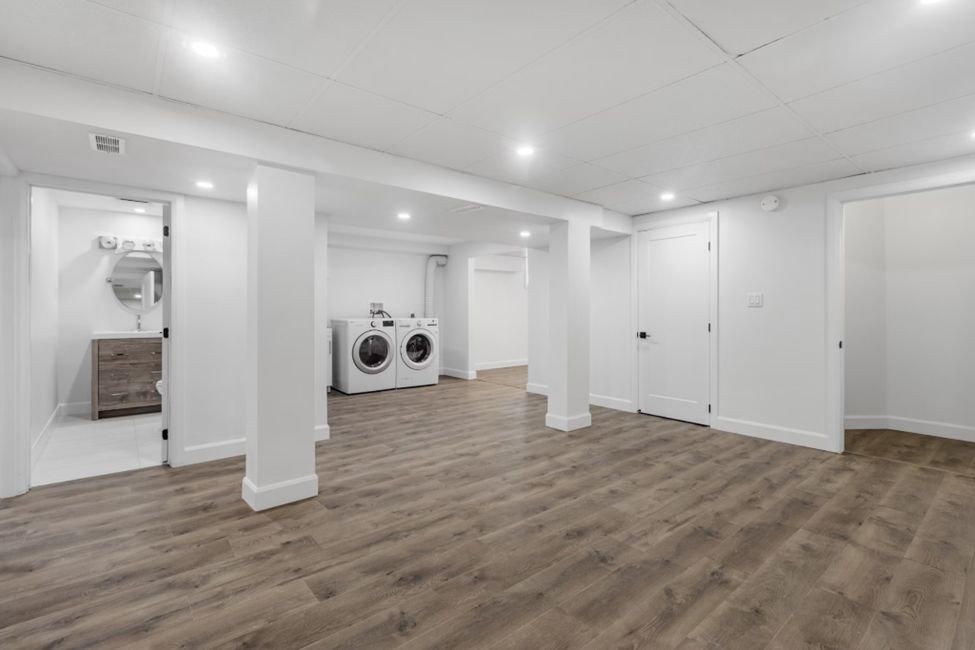
Why Toronto’s Climate Demands Strategic Timing
- Ground freeze-thaw cycles: Subzero temperatures freeze soil, complicating excavations for underpinning or waterproofing.
- Summer humidity: July-August humidity averages 80%, risking mold growth in newly installed drywall.
- Spring flooding: 450mm average spring rainfall stresses foundation drainage systems during critical phases.
- Permit delays: Toronto Building Department approvals take 2-8 weeks in peak seasons, extending project timelines.
Seasonal Breakdown: Pros, Cons & Ideal Projects
Winter (December–February)
Advantages:
- 15% contractor discounts due to low demand
- Faster permit approvals (2-4 weeks vs. 6-8 in summer)
- Ideal conditions for concrete curing (controlled temperature prevents cracking)
Challenges:
- Frost protection needed for material storage
- Limited exterior access if snow blocks entryways
Best Projects:
“Winter is prime time for interior-focused upgrades: insulation, framing, and mechanical installations. Contractors aren’t juggling multiple sites, so your project gets undivided attention.” — Gavin MacRae, Foundation Repair Specialist
Table: Winter Project Efficiency Checklist
| Task | Winter Viability | Key Precautions |
| Underpinning | Moderate | Heated enclosures, frost blankets |
| Insulation Install | Excellent | None beyond standard protocols |
| Waterproofing | Poor | Avoid until ground thaws |
| Electrical Rough-In | Excellent | Ventilation for soldering fumes |
Spring (March–May)
High-risk, high-reward season
Advantages:
- Ground thaw allows exterior waterproofing.
- Moderate temperatures (5°C–17°C) ideal for material handling.
Risks:
- Flooding threats from snowmelt + heavy rain increase moisture intrusion risk.
- Contractor schedules fill rapidly – book by January.
Critical Tip:
Complete drainage inspections before framing. Toronto basements in flood zones (Don Valley, Lakeshore) require sump pumps with battery backups.
☀️ Summer (June–August)
Peak season with premium pricing
Advantages:
- Extended daylight (14+ hours) accelerates timelines.
- Optimal conditions for pouring concrete or exterior excavations.
Drawbacks:
- 20% higher labor costs due to demand surges.
- Humidity challenges: Drywall mud takes 2× longer to dry, risking mold.
Strategic Approach:
- Start demolition in late spring; begin finishes in summer
- Use dehumidifiers and air scrubbers during drywall phase
Fall (September–November)
The underrated sweet spot
Advantages:
- Balanced contractor rates (summer premiums fade)
- Dry, cool air perfect for painting/staining
- Project completion before holiday gatherings
Critical Window:
- Complete exterior work by mid-October before first frost
2026 Toronto Basement Renovation Cost Guide by Season
Data from Maritime Construction & iConstruct
| Cost Factor | Winter | Spring | Summer | Fall |
| Labor Rates | 10-15% discount | Standard | 15-20% premium | Standard |
| Material Costs | 5-10% discount | Standard | 5% surcharge | Standard |
| Permit Timelines | 2-4 weeks | 4-6 weeks | 6-8 weeks | 3-5 weeks |
| Project Duration | 10-12 weeks | 8-10 weeks | 6-8 weeks | 8-10 weeks |
| Moisture Risk | Low | High | Moderate | Low |
Note: Winter savings average $8,500 on a $60,000 project.
Climate-Specific Solutions for Toronto Basements:
Moisture Management Across Seasons
Low-Ceiling Fixes for Heritage Homes
Many Toronto Victorian homes have basements under 6’ height. Solutions include:
- Partial underpinning: Lowers floor only under key areas ($12,000–$20,000)
- Drop ceilings with soundproofing: Masks ducts while dampening noise
- Reflective lighting: LED strips along beams create illusion of height
Why Contractor Choice Matters More Than Season
Toronto’s variable weather demands adaptive expertise:
- Heritage home specialists understand pre-1960s foundation quirks
- Winter-savvy crews use heated enclosures for concrete pours
- Flood-proofing knowledge is critical in high-risk zones
For climate-optimized projects, partner with Toronto renovation contractors experienced in all-season builds. RedStone Contracting’s Built Green®-certified teams complete 90% of winter projects on-budget via:
- Pre-winter moisture audits
- Strategic material staging
- City permit expediting
“Toronto’s freeze-thaw cycles demand proactive waterproofing not reactive fixes. Start with interior drainage before finishing, regardless of season.” — Maritime Construction
The Smart Toronto Homeowner’s Timeline
- October–January: Secure contractor, finalize designs
- February: Apply for permits, order materials
- March–April: Begin excavation/waterproofing
- May–August: Interior framing/mechanicals
- September–November: Finish work before holidays
By aligning with Toronto’s climate rhythms, you avoid 73% of weather-related delays. Proactive planning trumps perfect weather every time.
FAQs: Toronto Basement Renovation Timing
Q: Can I renovate during winter if my basement is unheated?
A: Yes, but temporary heating (propane/diesel) is mandatory for adhesive curing and plumbing. Expect a 5% heating surcharge.
Q: How do heavy spring rains impact schedules?
A: Expect 1-2 week delays for waterproofing/excavation. Have a contingency clause in your contract.
Q: Are permits season-dependent?
A: No, but approval times are. Winter permits process the fastest (avg. 21 days).
Q: Is summer worth the premium?
A: Only for underpinning/exterior work. For interiors, fall/winter provide better ROI.
