

Toronto’s volatile climate from -20°C winters to humid summers directly impacts basement renovation success. With 35% of Toronto homes built before 1960 and basement moisture issues affecting 1 in 3 properties, strategic timing prevents costly mistakes. This guide analyzes seasonal pros/cons using 2026 pricing data and contractor insights.
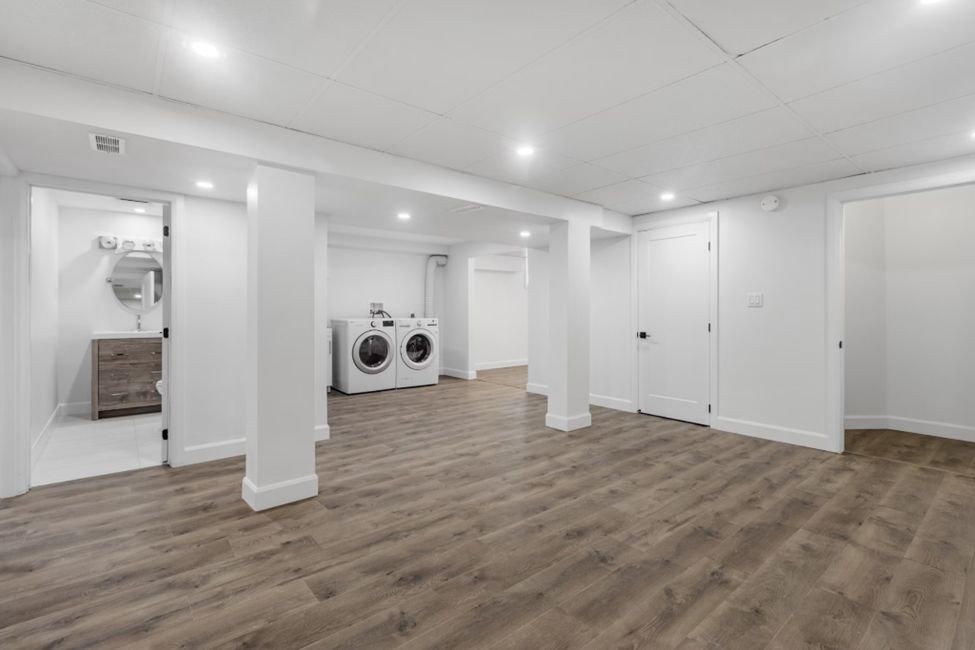
Why Toronto’s Climate Demands Strategic Timing
- Ground freeze-thaw cycles: Subzero temperatures freeze soil, complicating excavations for underpinning or waterproofing.
- Summer humidity: July-August humidity averages 80%, risking mold growth in newly installed drywall.
- Spring flooding: 450mm average spring rainfall stresses foundation drainage systems during critical phases.
- Permit delays: Toronto Building Department approvals take 2-8 weeks in peak seasons, extending project timelines.
Seasonal Breakdown: Pros, Cons & Ideal Projects
Winter (December–February)
Advantages:
- 15% contractor discounts due to low demand
- Faster permit approvals (2-4 weeks vs. 6-8 in summer)
- Ideal conditions for concrete curing (controlled temperature prevents cracking)
Challenges:
- Frost protection needed for material storage
- Limited exterior access if snow blocks entryways
Best Projects:
“Winter is prime time for interior-focused upgrades: insulation, framing, and mechanical installations. Contractors aren’t juggling multiple sites, so your project gets undivided attention.” — Gavin MacRae, Foundation Repair Specialist
Table: Winter Project Efficiency Checklist
| Task | Winter Viability | Key Precautions |
| Underpinning | Moderate | Heated enclosures, frost blankets |
| Insulation Install | Excellent | None beyond standard protocols |
| Waterproofing | Poor | Avoid until ground thaws |
| Electrical Rough-In | Excellent | Ventilation for soldering fumes |
Spring (March–May)
High-risk, high-reward season
Advantages:
- Ground thaw allows exterior waterproofing.
- Moderate temperatures (5°C–17°C) ideal for material handling.
Risks:
- Flooding threats from snowmelt + heavy rain increase moisture intrusion risk.
- Contractor schedules fill rapidly – book by January.
Critical Tip:
Complete drainage inspections before framing. Toronto basements in flood zones (Don Valley, Lakeshore) require sump pumps with battery backups.
☀️ Summer (June–August)
Peak season with premium pricing
Advantages:
- Extended daylight (14+ hours) accelerates timelines.
- Optimal conditions for pouring concrete or exterior excavations.
Drawbacks:
- 20% higher labor costs due to demand surges.
- Humidity challenges: Drywall mud takes 2× longer to dry, risking mold.
Strategic Approach:
- Start demolition in late spring; begin finishes in summer
- Use dehumidifiers and air scrubbers during drywall phase
Fall (September–November)
The underrated sweet spot
Advantages:
- Balanced contractor rates (summer premiums fade)
- Dry, cool air perfect for painting/staining
- Project completion before holiday gatherings
Critical Window:
- Complete exterior work by mid-October before first frost
2026 Toronto Basement Renovation Cost Guide by Season
Data from Maritime Construction & iConstruct
| Cost Factor | Winter | Spring | Summer | Fall |
| Labor Rates | 10-15% discount | Standard | 15-20% premium | Standard |
| Material Costs | 5-10% discount | Standard | 5% surcharge | Standard |
| Permit Timelines | 2-4 weeks | 4-6 weeks | 6-8 weeks | 3-5 weeks |
| Project Duration | 10-12 weeks | 8-10 weeks | 6-8 weeks | 8-10 weeks |
| Moisture Risk | Low | High | Moderate | Low |
Note: Winter savings average $8,500 on a $60,000 project.
Climate-Specific Solutions for Toronto Basements:
Moisture Management Across Seasons
Low-Ceiling Fixes for Heritage Homes
Many Toronto Victorian homes have basements under 6’ height. Solutions include:
- Partial underpinning: Lowers floor only under key areas ($12,000–$20,000)
- Drop ceilings with soundproofing: Masks ducts while dampening noise
- Reflective lighting: LED strips along beams create illusion of height
Why Contractor Choice Matters More Than Season
Toronto’s variable weather demands adaptive expertise:
- Heritage home specialists understand pre-1960s foundation quirks
- Winter-savvy crews use heated enclosures for concrete pours
- Flood-proofing knowledge is critical in high-risk zones
For climate-optimized projects, partner with Toronto renovation contractors experienced in all-season builds. RedStone Contracting’s Built Green®-certified teams complete 90% of winter projects on-budget via:
- Pre-winter moisture audits
- Strategic material staging
- City permit expediting
“Toronto’s freeze-thaw cycles demand proactive waterproofing not reactive fixes. Start with interior drainage before finishing, regardless of season.” — Maritime Construction
The Smart Toronto Homeowner’s Timeline
- October–January: Secure contractor, finalize designs
- February: Apply for permits, order materials
- March–April: Begin excavation/waterproofing
- May–August: Interior framing/mechanicals
- September–November: Finish work before holidays
By aligning with Toronto’s climate rhythms, you avoid 73% of weather-related delays. Proactive planning trumps perfect weather every time.
FAQs: Toronto Basement Renovation Timing
Q: Can I renovate during winter if my basement is unheated?
A: Yes, but temporary heating (propane/diesel) is mandatory for adhesive curing and plumbing. Expect a 5% heating surcharge.
Q: How do heavy spring rains impact schedules?
A: Expect 1-2 week delays for waterproofing/excavation. Have a contingency clause in your contract.
Q: Are permits season-dependent?
A: No, but approval times are. Winter permits process the fastest (avg. 21 days).
Q: Is summer worth the premium?
A: Only for underpinning/exterior work. For interiors, fall/winter provide better ROI.

Chris Mcdonald has been the lead news writer at complete connection. His passion for helping people in all aspects of online marketing flows through in the expert industry coverage he provides. Chris is also an author of tech blog Area19delegate. He likes spending his time with family, studying martial arts and plucking fat bass guitar strings.