

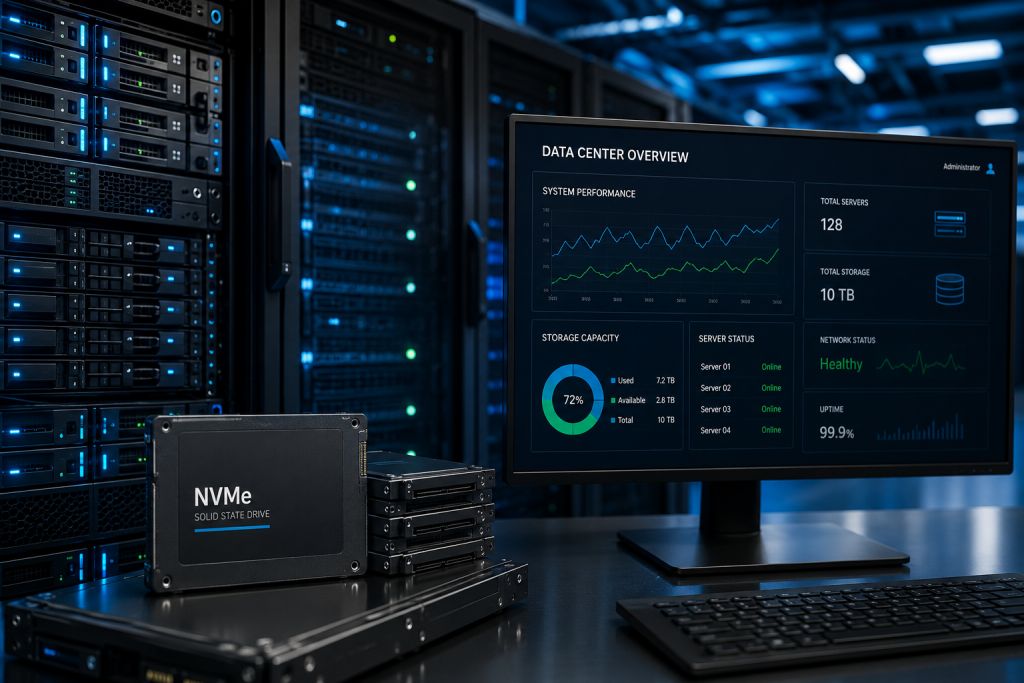
For decades the traditional enterprise data center served as the rigid foundation of corporate computing. However the exponential growth of cloud computing real time analytics and data intensive enterprise workloads has pushed legacy systems to their absolute technical breaking points. Modern organizations can no longer rely on siloed mechanical heavy infrastructure architectures.
This comprehensive industry analysis details the structural shift from legacy hardware deployments to next generation data center environments. By analyzing performance bottlenecks across storage memory and networking layers, this paper illustrates how enterprises are upgrading their core systems using enterprise grade solid state arrays, high density server architectures and scalable component lifecycles to achieve operational efficiency and long term business resilience.
The Historical Paradigm: Legacy IT Infrastructure and Its Limitations
To understand the necessity of next generation data centers we must analyze the architecture that dominated enterprise environments for the past two decades Legacy IT infrastructure was fundamentally characterized by hardware silo application specific servers and heavy reliance on mechanical components.
Mechanical Storage Bottlenecks
In traditional configurations, Storage Area Networks SANs relied extensively on mechanical Hard Disk Drives HDDs. Even enterprise grade 15K RPM SAS drives are physically limited by the speed of their spinning platters and read/write heads. As concurrent user requests scaled, these drives suffered from severe Input Output Operations Per Second IOPS limitations, resulting in high I/O wait times and system throttling.
Power and Cooling Inefficiencies
Legacy multi node chassis generated massive thermal footprints. Because older components required higher voltages to maintain operational clock speeds, data center cooling bills often equaled or exceeded the power costs required to run the actual computational workloads.
Sourcing and Upkeep Challenges
As systems passed the five year operational mark, maintaining hardware integrity became increasingly difficult. IT departments spent significant man hours dealing with legacy component failures. Sourcing certified, exact match legacy parts through standard channels grew highly inefficient, frequently forcing Procurement teams to manually search for specialty platforms to buy certified computer parts online just to keep secondary backup arrays operational.
Drivers of Change: What Is Forcing the Evolution?
The transition toward next gen architecture is driven by an irreversible shift in how corporate data is generated and consumed.
Real Time Transactional Analytics
Modern businesses rely on immediate data visibility. Whether processing high frequency e commerce transactions or executing complex predictive logistics models, the infrastructure must process millions of data blocks per second. Traditional infrastructure creates heavy processing queues degrading user experience and delaying business intelligence.
Software Defined Everything SDx
Next generation environments have decoupled control planes from physical hardware. Software Defined Networking SDN and Software Defined Storage SDS require highly adaptable, standardized underlying hardware blocks that can be provisioned automatically by orchestration software rather than requiring physical adjustments by network engineers.
Core Architectural Pillars of Next Gen Data Centers
Next generation data center infrastructure represents a fundamental shift toward flash optimized storage, hyper converged compute nodes and high bandwidth interconnectivity.
Moving to Solid State Layouts NVMe and SAS
The elimination of mechanical components is the primary milestone of modern infrastructure. Next gen data centers utilize an optimized solid state matrix:
- NVMe Non Volatile Memory Express: Operating directly over the PCIe bus NVMe drives bypass legacy controller bottlenecks dropping access latencies from milliseconds to single digit microseconds.
- Enterprise SAS SSDs: For high capacity secondary storage tiers enterprise grade SAS solid state drives offer exceptional endurance reliability and dual port redundancy ensuring continuous availability for application data layers.
High Density Processing and Modern Memory Standards
Modern server nodes consolidate massive computing power into minimal rack spaces. Transitioning to multi core processing architectures requires robust memory sub systems. Next gen systems rely on high frequency Registered ECC DDR4 or DDR5 memory modules, enabling servers to process massive database tables directly within volatile memory buffers without triggering slow disk reads.
Technical Case Analysis: System Modernization Overhaul
To see these pillars in action, we look at the structural data of a regional logistics provider running a massive infrastructure setup containing over 350,000 product categories and real time inventory assets.
The Baseline Situation
The firms central data center was facing systemic delays during peak operational windows. Database index lookups for high volume parts distributions were taking up to 150ms causing database connection pools to max out and crash web portals.
The Modernization Strategy
The corporate infrastructure group implemented a phased hardware modernization strategy. Instead of entirely abandoning their existing physical space they stripped out legacy monolithic server configurations and deployed high density nodes populated with solid state arrays. They revamped their internal deployment systems by partnering directly with specialized vendor to procure optimized enterprise hardware tailored for high volume transactional workloads.
Deployment Phases:
- Storage Layer Isolation: All primary SQL databases were migrated from legacy HDD SAN arrays onto dedicated NVMe backed solid state storage pools.
- Compute Node Standardization: Legacy dual core chassis were replaced with modern high density hardware platforms supporting advanced virtualization fabrics.
- Network Interconnect Upgrades: Backplane fabrics were upgraded from standard Gigabit Ethernet lines to 100GbE low latency switches to remove data throughput constraints between node clusters.
Measured Performance Outcomes
Following a systematic migration and testing window the engineering group pulled hard telemetry data to analyze system gains
| Infrastructure Metric | Previous Baseline Environment | Next Gen Optimized Data Center | Total Performance Shift |
| Average Query Read Times | 150 ms | 6 ms | 96% Latency Reduction |
| Max Network Throughput | 1 Gbps | 100 Gbps | 100x Bandwidth Scaling |
| System Idle Thermal Draw | 5.8 kW per cluster | 3.1 kW per cluster | 46% Reduction in Power Drain |
| Unscheduled Downtime Logs | 14 incidents annually | 0 incidents (6 month tracking) | Post migration Stability |
Lifecycle Management and Hardware Component Procurement
A major factor in building a reliable next generation data center is managing component lifecycles. Because modern systems run at much higher density levels managing thermal fluctuations and component wear is critical to preventing premature hardware failure.
The Risk of Unverified Components
Enterprise architectures require strict component validation Utilizing unverified or consumer grade hardware within a high density server rack introduces structural vulnerabilities such as memory bus errors silent data corruption or PCIe controller dropouts.
Constructing a Reliable Supply Network
For continuous operations IT lifecycle managers must build reliable direct channels for replacing critical internal modules. When scaling out computing clusters or replacing worn components in secondary server arrays having immediate access to specialized server infrastructure parts is essential to avoiding extended maintenance windows and keeping operations running smoothly.
Strategic Maintenance and Specialized Node Configurations
As computing requirements become more specialized enterprises are shifting away from general purpose configurations toward specialized node deployments designed for specific business operations.
Localized Testing and Edge Nodes
While main transactional applications run inside centralized cloud hybrid server racks engineering groups frequently maintain localized staging labs localized application testing rigs and performance tuning environments.
Sourcing Precision Hardware
These localized setups often use high end server configurations or high performance workstations configured to mirror data center operations. Maintaining these specialized systems requires identical technical precision. Sourcing specific workstation computer parts including specialized cooling blocks host bus adapters and ECC memory kits is vital to ensuring that testing setups closely mirror production behavior without crashing under heavy workloads.
Operational Best Practices for Next Gen Infrastructure Management
Transitioning to a next generation data center environment requires updated management practices to keep the modern hardware running efficiently.
- Implement Continuous Telemetry Monitoring: Traditional ping tests are insufficient Modern infrastructure teams must monitor deeper metrics like NVMe drive endurance life memory block error and real time switch backplane saturation
- Enforce Component Standardization: Mixing different hardware version across the same cluster complicate troubleshooting Ensure all expansion card storage drive and memory stick match verified hardware profiles
- Establish Proactive Replacement Schedules: Rather than waiting for a component to fail and cause a system degradation alert use manufacturer wear data to replace storage blocks and cooling fans during scheduled maintenance windows.
Conclusion
The evolution of enterprise IT infrastructure is not merely an upgrade project it is a fundamental re engineering of how businesses manage computing power. Transitioning away from legacy, mechanical infrastructure limitations toward flash optimized high density next generation data centers allows organizations to eliminate performance bottlenecks and drastically lower power requirements.
As corporate data volumes continue to grow the companies that invest in high quality hardware components build reliable supply chains and embrace modern data center architectures will possess the performance capabilities required to lead the digital markets of tomorrow.

Chris Mcdonald has been the lead news writer at complete connection. His passion for helping people in all aspects of online marketing flows through in the expert industry coverage he provides. Chris is also an author of tech blog Area19delegate. He likes spending his time with family, studying martial arts and plucking fat bass guitar strings.