
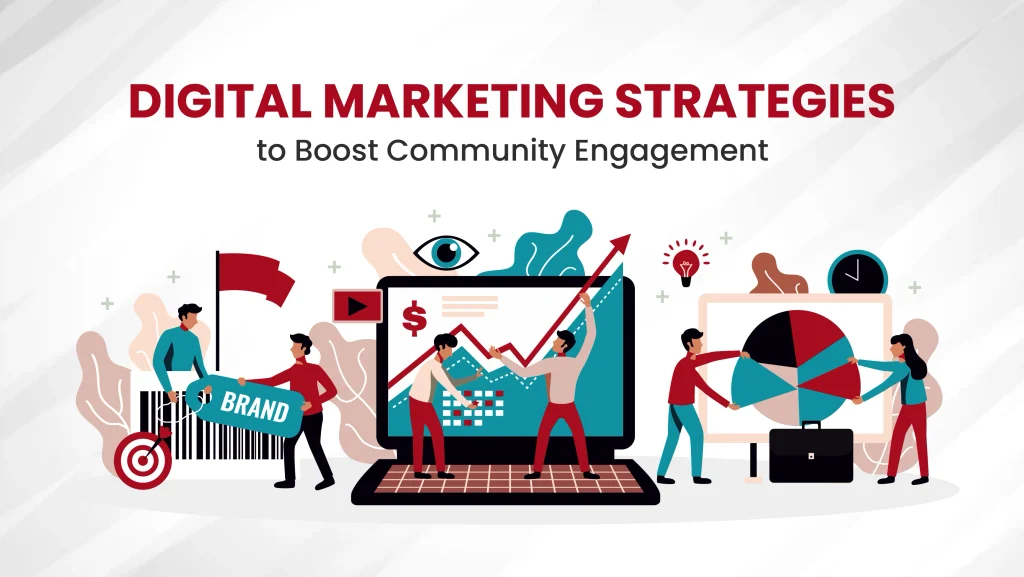
Building an effective community for the brand does not only involve being active on social media posts or advertisements. It involves making connections, having conversations, sharing useful information, and feeling connected to each other. Regardless of the nature of the community engagement that a business wants to do – whether it’s a customer base in the local area, the existing fan community, or any online community- it is an essential element of success.
Digital media have transformed the way companies engage with their target audience. Various social networks, forums, email, websites, and messaging channels enable brands to connect with consumers beyond conventional advertising. They create an opportunity for brands to gain insight into the customer’s expectations, respond to queries, gather feedback, and design experiences that invite participation.
Nevertheless, an effective engagement strategy entails understanding one’s target market, using the appropriate communication channels and creating content that will foster interactions. Cooperation with seasoned experts who provide digital marketing services can help companies develop an effective strategy that will connect their online presence with their community-building goals.
This paper discusses some digital marketing strategies that can be used by companies for effective community engagement and relationship building.
1. Understand Your Community Before Designing a Strategy
Every good community engagement strategy starts with an understanding of the community that you want to target with your business. Without having knowledge about their interests, problems, preferences, and online behaviour, it is difficult to design relevant content.
The first step in the process is to define who the audience is and segment them into various categories. For example, there will be a need for a fitness business to cater to beginners, experienced sportsmen, and health-conscious individuals. There might be different audiences with diverse responses to what you publish online.
Audience research is conducted via surveys, website analysis, social media analysis, customer interviews, and feedback forms. This enables a business to know some of the most commonly asked questions or concerns.
It may be helpful to understand the current ways in which people are engaging with the brand. Do they comment on social media posts, do they ask questions via email, do they share their experiences, or do they visit particular web pages? Understanding this will help marketers understand how to engage their communities more effectively.
Once this is known, companies can set realistic objectives. These could be related to social media interactions, responding to newsletters, participation in online events, or revisiting the website.
This strategy makes sure that everything marketers do has a purpose and adds value to their community members.
2. Create Valuable and Interactive Content
Content is one of the most effective strategies for gaining attention and getting people involved. Nevertheless, simply publishing information will not necessarily get people involved. People have to have some motivation to act on what they see.
Companies need to concentrate on creating content that answers the needs of the target audience. Useful articles, tutorials, news about the industry, short videos, testimonials from customers, and other behind-the-scenes material may be beneficial.
Interactive formats have proven to be effective in facilitating conversations.
For instance, if a home renovation company were to post a poll asking their followers which room they would renovate first, the company would be engaging the participants in an interaction, rather than just informing them.
Similarly, if a company developing software wanted to learn more about the challenges their customers had when managing projects, then they could ask them about it directly.
The type of content must also suit the platform on which it will be published. Video content may fit on a visually-based platform like social media, whereas guide-based content can fit better on blogs and community sites. Newsletters may be used to share curated information and invite participation.
Consistency is important but not at the expense of quality. Realistic scheduling keeps your audience informed about your content without flooding them with too much of it.
More importantly, companies must always be ready to react to queries and comments made because of their content. A well-considered reply may transform the reaction into a dialogue and show respect for the audience’s opinion.
3. Use Social Media for Two-way Communication
With social media, organizations can reach out to their audiences directly, making it a vital platform for engagement. Unfortunately, most brands tend to spend much time communicating promotional messages through the social media platform without considering listening and responding to their audiences.
The social media platform needs to be utilized as a communication platform rather than a noticeboard where the organization communicates its promotions. The brand needs to foster conversations, provide valuable information, appreciate the contributions from the community, and answer the concerns of its audience.
The platform to use would depend on the time spent by the target audience on it and their communication preference. LinkedIn could be used to engage in professional discussion and knowledge sharing within the industry, and Instagram and Facebook could be used to share stories through images and interact with customers.
A company can increase its engagement levels through the following practical actions:
- Involve them by asking questions related to them.
- Respond to their comments, direct messages, and queries immediately.
- Express your gratitude to the community members by saying thank you, giving recognition to their accomplishments, and appreciating help from the audience.
- Organizing live events like demos, interviews, product presentations, and Q&As with experts.
- Helping people communicate with each other and learn from each other.
- Community management also needs proper guidelines. Businesses need to create standards for participation, deal with spammers, and manage bad behaviour.
There is no need to evaluate social media performance based on the number of followers. The important thing is the nature of interaction, such as meaningful comments, conversations, sharing, reengagement, and quality of engagement with customers.
4. Increasing Community Visibility with SEO
Community growth cannot be achieved continuously if the community is not visible to the people who have the potential to become members of the community. SEO will ensure that the content, resources, and discussions related to the business are easily visible to people who are searching for them.
Community engagement can be facilitated through SEO because it brings people into contact with content they find useful about a certain topic. People can attract users not only by paying for ads but also by using SEO.
SEO begins with a proper keyword analysis. One should check the kinds of searches customers perform while looking online. It can involve informational, local, industrial, and solutions comparison searches.
As an example, a company oriented towards local entrepreneurs can write about marketing challenges, client relationships, networking, and industry-related events in the local community. These posts will help to attract prospective customers who then will subscribe to newsletters or join specific discussion forums.
SEO services will be helpful in this context due to technical optimization, content optimization, keyword optimization, internal link building, and performance measurement. However, the ultimate aim should be to provide valuable information rather than loading the articles with keywords.
Organizing the content on the website would also prove to be useful. Related articles could guide the visitors towards useful resources, announcements, and a community registration form. In doing so, visitors can learn more about other related topics while visiting the website.
A business could increase its search visibility through providing correct business data, creating location-specific content, and generating positive reviews from real customers. All these actions would assist the business in reaching those people who are interested in engaging with their local communities.
But search visibility is just a starting point. Once the visitor comes, he/she needs to be offered some next action. This could include signing up for the newsletter, registering for the event, asking questions, or joining a community.
5. Formulate a Content Marketing Strategy Based on Community Themes
A content marketing strategy becomes even more powerful when it is based on issues, concerns, and interests that are common in the community. Instead of making standalone blog posts or social media posts, companies must make a series of resources that keep people engaged.
First, determine the important themes in the target market. These can then form content pillars around which you will produce your blog posts, videos, e-newsletters, downloads, and social media interactions.
As an example, an online finance organization may choose to create content related to digital security, payment management, industry updates, and practical business tips. An organization for promoting sustainable living may have topics such as waste prevention, responsible buying, energy saving, and community involvement.
The content pillars created must help meet certain needs of the targeted group. The educational content assists people in gaining knowledge about things that are not clear to them. Practical guidance provides information on solving problems that exist.
Using the same content in different ways will not only help businesses stay consistent but will also allow them not to come up with a completely new message for each channel. A long blog post can become several pieces of social media content, a short video, a part of a newsletter, and even a discussion topic.
Companies should be careful not to use the same message on all channels, ignoring their audience.
6. Encourage User-Generated Content and Customer Participation
User-generated content is content that has been created and distributed by consumers or community members themselves. This includes reviews, photos, personal experiences, testimonials, videos, and suggestions.
Such content can be used to increase community involvement since many people like getting feedback from those with common interests and experiences. In addition, companies get the chance to acknowledge their audience.
Customers may be asked to give an account of how they utilize the product, send pictures related to their participation in a community drive or talk about the problem they solved. For the service-oriented business, customers may be requested to give an account of what they learned from the project or what resources helped them most.
Campaigns should have clear guidelines and easy ways to participate in them. Using hashtags, submission forms, challenges, and separate community pages can help organize submissions.
It is equally vital to recognize these contributions. Firms can include these contributions in newsletters, social media postings, or web galleries, but only where they have obtained proper authorization from the contributors.
There must also be set criteria for privacy, copyright, permissions, and appropriate content. It should never be assumed that any content available in the public domain is automatically usable for marketing.
User-generated content is not supposed to be used exclusively for promotional purposes. It must serve mainly to motivate the user and make him or her an active participant in the discussion.
If users feel that their posts are recognized, they might become willing to participate once again and promote the community to others.
7. Make use of Email Marketing for Maintaining Long-term Relationship
Social media may be used to get people introduced to your brand, but email marketing is a more direct method of communicating with people who have shown interest in you. This way, you can keep your community informed of any updates and events.
Email Marketing Strategy
One such email marketing strategy is that of subscription-based emails, where businesses explain to the subscribers what they should expect from their subscriptions and give them control over their communications preferences. Segmenting subscribers on the basis of interest makes their emails even more relevant. For instance, those who sign up for education webinars may find announcements about events and resources of more value than others.
The newsletters could also have something more than just promotional content in them. They could include relevant articles, answers to common questions, community stories, future events, or summaries of discussions.
Personalization can add to relevance if it is based on the genuine interests of the subscribers. However, the companies should ensure that they use the consumer data properly and not collect irrelevant data.
Email can also help in creating an interactive dialogue. The companies can ask their consumers to respond to some queries or take part in surveys.
The evaluation of performance must not be done just through email open rates alone. Click-through rates, responses, sign-ups, unsubscriptions, and participation in future activities will help gauge whether emails are helpful or not.
Through a constant and relevant schedule of communications, businesses can build stronger ties with community members and have them participate regularly.
Conclusion
Building engagement is only possible through persistent effort in terms of understanding one’s audience, providing useful information, stimulating participation, and listening to comments. Social media discussions, search engine-optimized articles, e-mail newsletters, contributions by users, forums, partnerships, and online events may help businesses create better relationships with their audience.
Nevertheless, no one method or medium can ensure ongoing engagement. Success is dependent on how effectively the strategy considers the needs of the community, how committed the business is in its participation, and how valuable the community finds itself in participating.
First, businesses must set realistic objectives, choose appropriate media and mediums, and create avenues for interaction. Then, it is important that the business measures engagement and learns from feedback.
By combining useful content with effective digital marketing practices, organizations can build communities that encourage knowledge-sharing, improve customer relationships, and support long-term business growth.
Frequently Asked Questions
1. What is community engagement in digital marketing?
Community engagement in digital marketing is a term that describes the process whereby brands create a relationship with their audiences by engaging with them on a digital platform, sharing useful information and interacting with them. This helps them participate, give out their views and connect more with a brand or common interest.
2. What kind of digital marketing tools should be used in order to boost community involvement?
Some useful tools can be the development of interactive content, engagement in social media conversations, increasing organic searchability, sending email newsletters, generating user-generated content, conducting virtual events, and forming communities online. The best mix is individual for each particular case.
3. In what way do SEO services assist in generating community involvement?
Through SEO services, organizations will find ways of enhancing their website content’s visibility on search engines. This is achieved through focusing on topics that are beneficial to consumers, responding to queries from audiences, making websites user-friendly, and organizing helpful information. In this way, organizations will draw people who are already interested in the topic and can get them involved through further instructions.

Hardik Mody is a Senior Manager – Digital Marketing. He plans and coordinates the marketing activities of ValueHits, a full-service Digital Marketing Company in Mumbai, India. With his experience and Expert knowledge in the field, he identifies potential customers and develops marketing campaigns. Also, he is efficient enough to meet the client’s requirements and well-organized in handling Multiple tasks.