
Getting the right traffic? That’s where most businesses struggle.
Many brands invest months into SEO, publish blog after blog, and celebrate when traffic numbers rise. But when it’s time to measure sales, leads, or sign-ups, the results feel… underwhelming.
This is where search intent mapping changes everything.
If your SEO traffic is not converting, the problem usually isn’t visibility. It’s the misalignment between what users are searching for and what your content is delivering. This post will discuss the strategic application of search intent mapping and how it links rankings to actual conversions.
Why Traffic Alone Doesn’t Guarantee Conversions
For years, SEO success was measured by:
• Keyword rankings
• Organic sessions
• Impressions
• Click-through rates
While these metrics are important, they don’t tell the full story.
Imagine ranking #1 for a high-volume keyword—traffic floods in. But visitors leave in seconds. No sign-ups. No purchases. No inquiries.
Why?
Because traffic without user intent alignment is just noise.
Search engines today prioritize relevance. If your page ranks but doesn’t match the searcher’s underlying goal, users bounce. And when that happens consistently, rankings eventually drop too.
This is why focusing only on keywords is outdated. Modern SEO requires understanding the reason behind the search.
How Search Intent Supports Your SEO Strategy
Search intent mapping plays a key role in your overall search engine optimization (SEO) strategy.
When you understand the type of search behind a query—whether it is informational intent or transactional searches—you can create the right type of content.
This helps improve organic traffic and move users through different funnel stages of the sales funnel.
Tools like Google Search Console help you analyze search queries and refine your keyword strategy.
By aligning your content format with user intent, you improve ranking factors and increase your conversion rate.
What is search intent mapping?
Search intent mapping matches content with the objectives users have when they enter a search query.
Instead of asking, “What keyword should we target?” you ask:
“What does the user actually want to accomplish?”
It connects three critical elements:
• User intent
• Content type
• Stage of the buyer journey
When done correctly, it transforms SEO traffic into measurable conversions.
It also helps prioritize content production by focusing resources on high-impact intent categories rather than publishing randomly.
The Four Core Types of User Intent
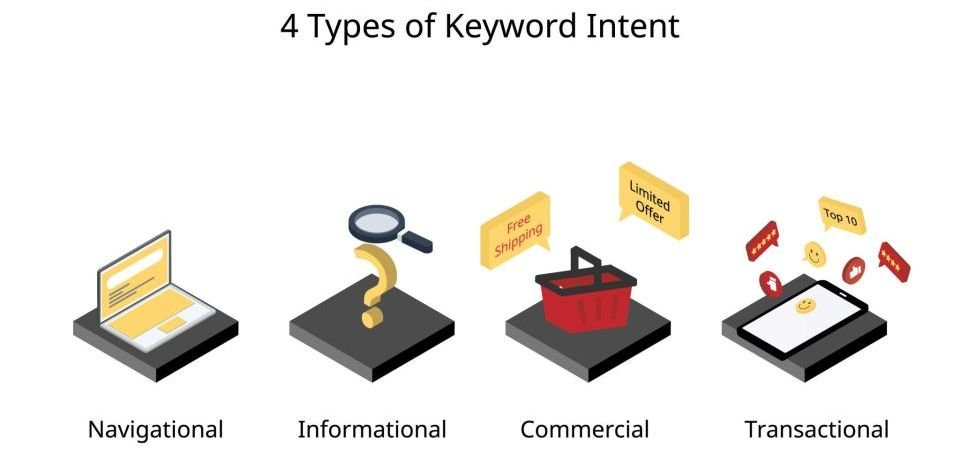
To apply search intent mapping, you first need to understand the main intent categories.
Informational Intent
The user wants to learn something.
Examples:
• “What is digital marketing?”
• “How does SEO work?”
They are researching. They are not ready to buy yet.
Content format that works:
• Educational blog posts
• Guides
• Tutorials
• Explainers
Trying to sell aggressively at this stage often pushes users away.
Adding internal links from educational pages to consideration-stage content gently guides users deeper into your funnel.
Navigational Intent
The user is looking for a specific website or brand.
Examples:
• “Google Analytics login.”
• “HubSpot pricing page.”
These searches require optimized landing pages and brand clarity.
Strong brand visibility and structured data markup improve click-through rates for navigational queries.
Commercial Investigation Intent
The user is comparing options before making a decision.
Examples:
• “Best SEO tools for small business.”
• “Mailchimp vs ConvertKit.”
This is a high-value stage.
Content format that works:
• Comparison articles
• Product roundups
• Case studies
• Detailed reviews
If your content aligns well here, conversions increase dramatically.
Including comparison tables, feature breakdowns, and real data improves trust and accelerates decision-making.
Transactional Intent
The user is ready to act.
Examples:
• “Buy SEO audit service.”
• “Subscribe to email marketing software.”
This is where optimized landing pages, clear CTAs, and trust signals matter most.
Reducing friction through simplified forms, transparent pricing, and strong testimonials significantly increases transactional conversions.
Mapping these intent types correctly is the foundation of Search Intent Mapping.
Why Most SEO Strategies Fail Without Intent Mapping
Many businesses still build content like this:
1. Find high-volume keywords
2. Create an article
3. Insert keywords repeatedly
4. Publish and wait
But they ignore:
• Where the user is in the buyer journey
• Whether the content solves the exact problem
• If the page format matches the intent
For example:
If someone searches “best email marketing software,” and you give them a basic “What is email marketing?” article, they leave immediately.
The keyword may be similar, but the search intent is completely different.
Marketers lose most conversion opportunities when keywords don’t match user intent.
An intent mismatch not only reduces conversions but also wastes crawl budget and internal linking equity.
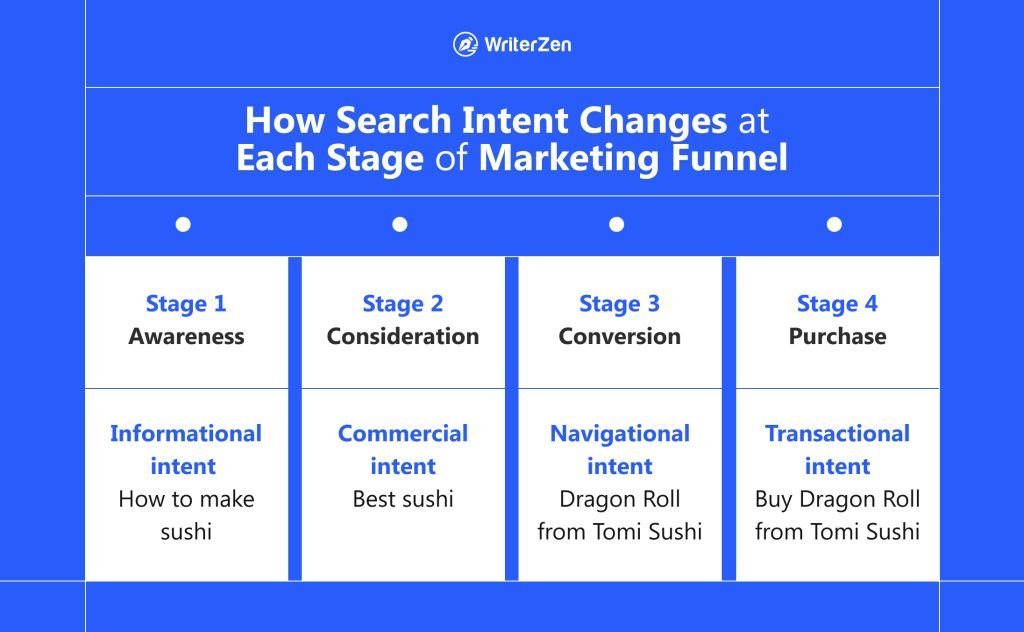
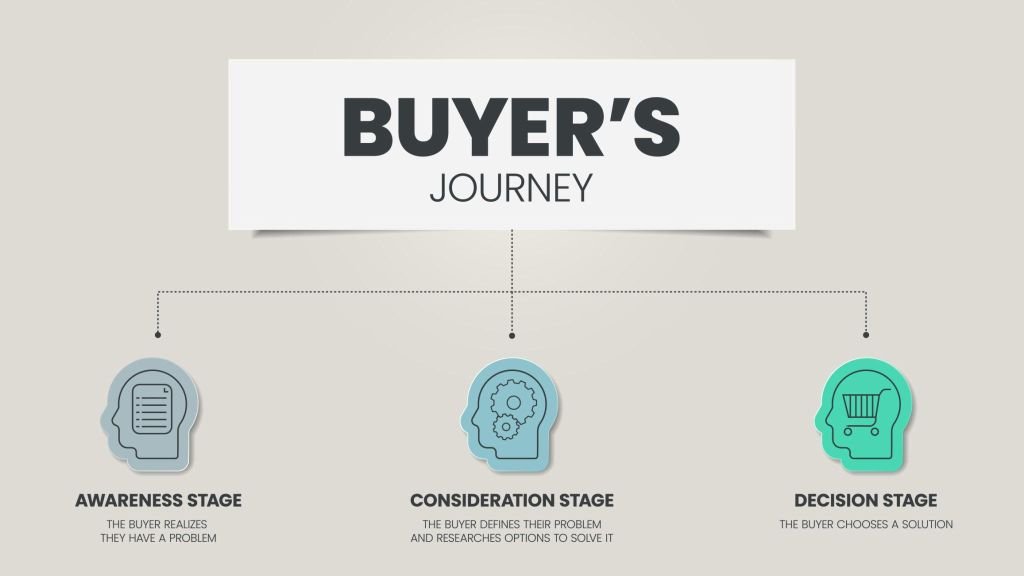
How Search Intent Mapping Connects to the Buyer Journey
Every customer moves through stages before making a decision.
Awareness Stage
The user identifies a problem.
They search:
• “Why is my website traffic low?”
• “How to improve organic reach.”
Your goal here is education and clarity.
Content at this stage should build authority, not push sales.
Consideration Stage
The user explores solutions.
They search:
• “SEO vs paid ads.”
• “Content marketing strategy examples.”
Here, you introduce frameworks, comparisons, and structured solutions.
Decision Stage
The user is ready to act.
They search:
• “SEO agency pricing.”
• “Hire a digital marketing consultant.”
This is where optimized service pages and clear offers matter most.
Adding FAQs that address objections (pricing, timelines, ROI expectations) increases confidence at the decision stage.
Search intent mapping ensures your content meets users exactly where they are in this journey.
A Practical Framework for Search Intent Mapping
Step 1: Categorize Your Keywords by Intent
Instead of listing keywords randomly, group them under:
• Informational
• Commercial
• Transactional
• Navigational
This simple exercise already improves clarity.
Step 2: Analyze Search Engine Results Pages (SERPs)
Google tells you what intent it prefers.
If the top results are:
• Blog posts → Informational intent
• Product pages → Transactional intent
• Comparison lists → Commercial intent
Your content format must match what is ranking.
Pay attention to SERP features such as featured snippets, People Also Ask boxes, and shopping results to better understand intent signals.
Step 3: Match Content Format to Intent
This is where strategy comes in.
If the intent is:
• Informational → Create deep educational content
• Commercial → Build comparison-based pages
• Transactional → Optimize landing pages
Do not mix too many purposes on one page. Clarity increases conversions.
Step 4: Align CTAs With Intent
One of the biggest mistakes in SEO is aggressive calls to action on early-stage content.
For informational pages:
• Offer free resources
• Invite newsletter sign-ups
• Suggest related guides
For transactional pages:
• Use strong action-oriented CTAs
• Add testimonials
• Reduce friction in the purchase process
Intent-aligned CTAs significantly improve conversion rates.
Measuring the Impact of Search Intent Mapping
You can track whether your search intent mapping strategy is working using analytics.
Focus on:
• Bounce rate by intent category
• Time on page
• Conversion rate per content type
• Assisted conversions
• Scroll depth
If informational pages generate leads over time, your funnel is aligned.
If commercial pages have high traffic but low conversions, there may be an intent mismatch.
Data removes guesswork.
Segmenting analytics by content cluster improves visibility into how intent-based groups perform collectively.
Common Mistakes in Search Intent Mapping
Even experienced marketers make these errors:
1. Targeting Volume Instead of Relevance
High search volume does not mean high conversion potential.
Sometimes, lower-volume commercial keywords bring more revenue.
2. Ignoring SERP Evolution
Search results change. Google constantly adjusts how it interprets user intent.
Review your rankings regularly and update content accordingly.
3. Overloading One Page With Multiple Intent
Trying to educate, compare, and sell all in one article confuses users.
Clear focus improves performance.
Failing to update outdated informational content can weaken trust and reduce downstream conversions.
The Long-Term Benefits of Search Intent Mapping
When implemented correctly, search intent mapping creates:
• Higher quality SEO traffic
• Better engagement metrics
• Stronger authority signals
• Improved ranking stability
• Increased conversions
• Sustainable long-term organic growth
Instead of chasing rankings, you build relevance.
And relevance wins in modern SEO.
Real-World Example:
Imagine a digital marketing company targeting the keyword “SEO services.”
Instead of only optimizing a service page, they build:
• An informational guide: “What Do SEO Services Include?”
• A comparison post: “Freelancer vs SEO Agency.”
• A pricing breakdown article
• A conversion-optimized service page
Each page matches a different user intent.
Traffic enters at multiple stages.
Over time, users move from informational content to transactional pages.
This ecosystem approach turns scattered traffic into structured revenue growth.
This structured model also strengthens internal linking architecture and topical authority.
The Future of SEO: Intent-First Strategy
Search engines are becoming smarter.
With AI-powered algorithms and semantic search improvements, Google increasingly understands context and purpose—not just keywords.
This means SEO is no longer about keyword stuffing.
It’s about:
• Understanding psychology
• Mapping behavior
• Structuring content strategically
• Delivering genuine value
Businesses that prioritize Search Intent Mapping will outperform those chasing volume alone.
Final Thoughts
If your website receives traffic but struggles with conversions, the problem may not be visibility.
It may be misalignment.
Search Intent Mapping bridges the gap between rankings and revenue. It transforms random visitors into meaningful prospects. It ensures every piece of content serves a strategic purpose within the buyer journey.
Instead of asking: How can we get more traffic?
Start asking: Does this page truly match the user’s intent?
Because in modern SEO, intent isn’t optional.
It’s everything.

Chris Mcdonald has been the lead news writer at complete connection. His passion for helping people in all aspects of online marketing flows through in the expert industry coverage he provides. Chris is also an author of tech blog Area19delegate. He likes spending his time with family, studying martial arts and plucking fat bass guitar strings.