

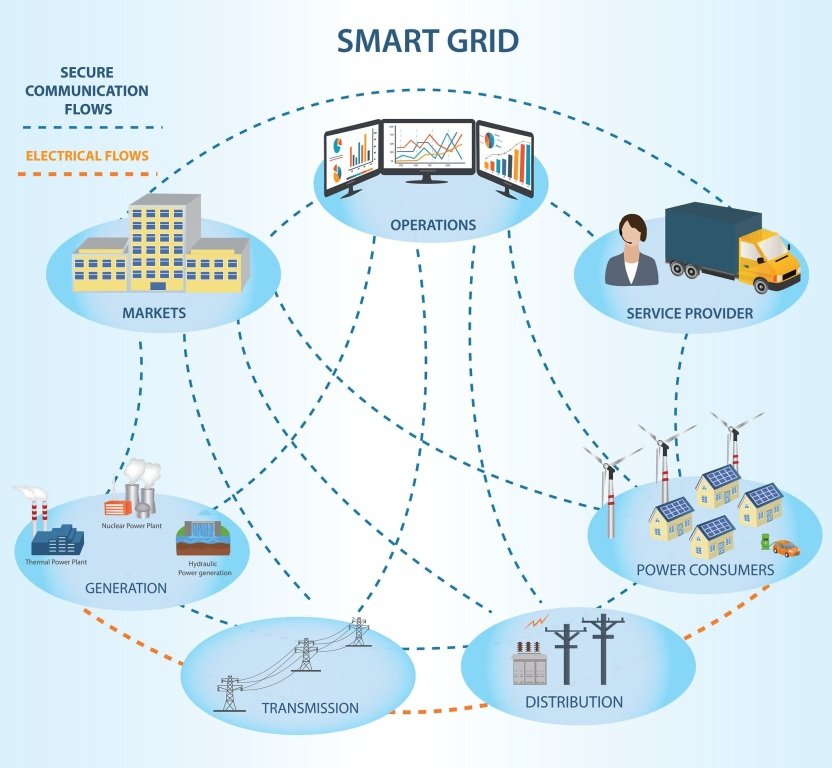
The electricity grids in the world are shifting from conventional grids to an intelligent, connected, and automated smart grid system. Increasing electricity consumption, urbanization, industrialization, energy from renewables and aging infrastructure are leading to problems with the current power grids. The utilities are using smart grid technology for real-time monitoring and control of the grid. This development will aid in modernizing the power transmission and distribution system.
The use of smart grid sensors is essential in this regard since they provide real-time data on the voltage, current, temperature and quality of power of the equipment in the electrical grids. While traditionally maintenance and inspection were performed at some interval of time, sensors offer constant monitoring, which assists utilities in identifying problems, optimizing the performance of the grid, reducing outages, and enhancing the safety of the grid. Considering the increasing complexity of the power grid due to renewable energy sources and electric cars, smart grid sensors are extremely significant.
What Are Smart Grid Sensors and Why Do They Matter?
Sensors used in smart grids are sophisticated devices deployed throughout the electricity grid for sensing, processing, and transmitting real-time information from the grid. These sensors differ from conventional monitoring tools in that they allow automated monitoring and remote communication. Their main activities include grid monitoring, fault detection, measuring voltage and currents, and asset monitoring.
Common Types of Smart Grid Sensors:
- Voltage Sensors: Voltage sensors measure electric potential differentials within grid elements, which aid in voltage stabilization.
- Current Sensors: These sensors are used to measure the flow of electric current through transmission and distribution lines, which helps to detect the cases of overload and unusual usage.
- Temperature Sensors: The process of temperature measuring helps to identify the risks of overheating of transformers, cables, and other electrical equipment.
- Transformer Monitoring Sensors: They can monitor various parameters of transformers such as temperature, oil, vibrations, and other stresses.
- Line Monitoring Sensors: These sensors are fitted in transmission and distribution lines, and help to monitor the condition of conductors.
- Phasor Measurement Units (PMUs): PMUs perform extremely precise measurements of electric waveforms.
Why Utilities Are Accelerating Smart Grid Sensor Adoption
Utilities around the world have been making rapid investments in smart grid sensors because of several reasons. The growth of the market for smart grid sensors is tied very much to the need for reliability, automation, and security within power networks.
- Aging Grid Infrastructure
Most electrical grids were built decades ago, and their current operational capabilities go far beyond the time for which they were originally designed. Old transformers, transmission lines, and distribution systems pose greater chances of equipment breakdowns and power outages. The deployment of smart grid sensors helps utility companies monitor old equipment all the time rather than during scheduled inspections only.
- Rising Electricity Demand
Globally, there is a growing need for electricity because of industries, urbanization, development of digital infrastructure, and increased electrification of transportation and heating networks. The increased need places more pressure on the current grid infrastructure and the utility companies are forced to upgrade their monitoring, efficiency, and reliability systems. The use of smart grid sensors helps in achieving this by allowing real-time information on electricity flow and infrastructure performance.
- Renewable Energy Integration
The use of renewable energy resources has led to an increase in the complexity of electricity grids. About 30% of electricity generation is provided by renewables in 2023. This implies that there is the need for a smart grid that can manage the electricity grid effectively.
- Digital Grid Modernization
Electric utilities are moving towards the digital grid that utilizes interconnected devices, automation and analytics. Smart grid sensors play an integral part in the modernization efforts as they generate data necessary for smart grid operation.
- Government Initiatives and Energy Policies
The installation of smart grids is facilitated by government policies from all over the world, which aim at improving infrastructure, renewable energy production, and grid resilience. The government’s financing schemes and policies have motivated power companies to adopt sophisticated monitoring techniques and upgrade smart grids.
Smart Grid Sensors Are Making Infrastructure Smarter
The utilization of smart grid sensors has changed the electric grid infrastructure, making it possible for utility companies to do more than repairs and adopt preventive maintenance strategies.
- Real-Time Grid Visibility
One of the greatest benefits of using smart grid sensors is the fact that it gives visibility into the operations of the grid. With this technology, utility companies have the opportunity to see what is happening on the grid without having to perform physical inspections.
- Predictive Maintenance
Conventional maintenance practices tend to include scheduled servicing, irrespective of the equipment’s state. Smart sensors have made it possible for predictive maintenance through early detection of wear and tear. For instance, transformers can be monitored using sensors that sense any irregularities such as rising temperatures in the transformer.
- Asset Performance Optimization
The smart grid sensors will assist in maximizing the longevity of infrastructural components by providing data on their performance. This will make it easy for transformers to be utilized effectively and substations optimized.
- Automated Fault Detection
The identification of faults is among the major uses of smart grid sensors. These sensors can detect any kind of electrical fault and pass on information to the control centers. The faster identification of faults results in fewer outages and reduced damage to grid equipment.
- Grid Automation
The smart sensor helps the automated grids by offering real-time data to the control system. This will result in self-healing of grids that will be able to identify faults and repair themselves using alternate paths.
Strengthening Grid Security with Smart Grid Sensors
As electricity grids have become more advanced through technology and connectivity, cybersecurity and physical security have emerged as major concerns. Usage of smart grid sensors is an important aspect of safeguarding the grid through surveillance and monitoring of any form of threat. These sensors detect unusual activity within the electricity grid system. These sensors also monitor unauthorized access and unusual operations within critical infrastructure facilities. By continuously collecting and analyzing operational data, smart grid sensors improve grid security, strengthen threat awareness, and support more reliable electricity network management.
Grid sensors provide cybersecurity through identification of any cyber threat aimed at grid control systems and enhancing incident response capabilities. The real-time information provided by sensors allows utilities to assess disturbances rapidly, coordinate the recovery efforts, and sustain the service during the equipment malfunctions, cyberattacks, and severe weather conditions. Technologies like artificial intelligence for threat analysis can identify the unusual activity and security issues, whereas Zero Trust security architectures verify access requests to protect against unauthorized access to the system.
Technologies Driving Smart Grid Sensor Innovation
Development of new technology enhances the intelligence capabilities of smart grid sensors.
- Internet of Things (IoT): TheInternet of Things ensures connectivity in terms of sensors, equipment, and control systems. Connection of sensors helps utilities obtain operational information from many grid locations.
- Artificial Intelligence (AI): Artificial intelligence works with big data, analyzes it, identifies patterns and predicts failures.
- Machine Learning (ML): Machine learning learns from historical data on equipment performance and helps to detect warning signs.
- Edge Computing: Edge computing involves processing of data close to its source. In this case, there will be no lags in communications and quick reactions during important events will be possible.
- Cloud Computing: Cloud platforms provide storage and analytical possibilities in terms of handling big data from sensors.
- Digital Twins: Digital twins create virtual representations of physical grid assets. In combination with sensor data and simulations, the utilities will be able to perform performance analysis and develop different strategies.
- Advanced Analytics: Advanced analytics converts data obtained from sensors into useful information for the utility company.
- 5G Connectivity: With fast speed of connectivity and lower latency, the 5G networks provide reliable connectivity for the sensor network.
Industry Applications
- Utilities: Smart Grid Sensors find their most enthusiastic adopters in utilities due to the need for better grid reliability, automation, and increased operational efficiency. They aid distribution monitoring, substation automation, outage management, load forecasting, and asset condition monitoring.
- Renewable Energy: Smart Grid Sensors allow renewable energy providers to monitor the variable nature of their power generation and help with better integration of the renewables into the grid system.
- Industrial Facilities: The industrial sector uses smart grid sensors for increasing energy efficiency, power quality and equipment monitoring. These sensors help decrease operational disturbances through detection and optimization of the electricity use.
- Smart Cities: Smart cities make use of the energy networks based on sensors for intelligent management of electricity. The smart grid sensors assist in power distribution optimization, infrastructure monitoring and energy use optimization.
- Electric Vehicle Charging Networks: With an increasing number of electric vehicles, there is a need for more monitoring systems to handle the growing demand of electricity.
Regional Market Trends
- North America
Grid modernization and reliability are being pursued by North America, while resilience is an important part of their strategy. Aging grid infrastructure is being upgraded with new monitoring systems.
- Europe
Europe has placed its focus on integrating renewables into the grid, lowering emissions and establishing digital electricity grids. Smart grid technology is being used for efficient energy management in Europe.
- Asia-Pacific
The Asia-Pacific region is witnessing a rapid increase in electricity demand owing to factors such as urbanization and industrialization as well as smart cities. Infrastructure development is increasing the need for advanced monitoring technology.
- Middle East & Africa
The utilities in the Middle East and Africa regions are focusing on their digital transformation, renewable energy, and large infrastructure development.
Challenges Facing Smart Grid Sensor Adoption
While the use of smart grid sensors may be advantageous, there are certain obstacles to the process. They may include high installation expenses, old age of the existing electric grid infrastructure, and problems with integration of legacy systems. Besides, issues related to cybersecurity threats and interoperability among different systems and manufacturers need to be solved with modern tools.
Data collected from smart grid sensors is another issue because it results in a huge amount of information that needs to be processed and analyzed. Experts with knowledge in information technology and cybersecurity will be needed for such work. In addition, following certain standards of energy and cybersecurity regulation will be necessary.
Future Trends in Smart Grid Sensors
The development of future smart grid sensors market would involve increasing intelligence, automation, and resilience in power networks. Some of these developments are AI-powered autonomous grids which will involve making independent decisions; self-healing power network that would automatically recover from any faults; and Edge AI which will ensure faster local response to incidents. Predictive analysis would improve asset management, while wireless sensors and digital substations would make monitoring effective. Energy transactions using blockchain technology would help in ensuring secure transactions.
Conclusion
According to Pristine Market Insights, utility companies are now using smart grid sensors as a strategic solution to increase the efficiency of their grids in terms of reliability, security, and sustainability. Through real-time monitoring, predictive maintenance, automated fault detection, and incorporation of renewable energy, these sensors are revolutionizing conventional power grids and making them smarter. Further developments in sensor technology in terms of IoT, AI, edge computing, and advanced analytics can be used by utility companies to build an efficient, automated, and adaptive energy network to satisfy the growing demand for electricity in the coming years.

Chris Mcdonald has been the lead news writer at complete connection. His passion for helping people in all aspects of online marketing flows through in the expert industry coverage he provides. Chris is also an author of tech blog Area19delegate. He likes spending his time with family, studying martial arts and plucking fat bass guitar strings.