
Ask around at any salon reception on a Thursday evening. Somebody is booked in for a facial, somebody else for a blow-dry, and increasingly, somebody is there for their body.
Not a massage. Not waxing. Polishing.
A few years ago it sat quietly near the bottom of most spa menus, somewhere after the manicures. Now it has its own section, its own packages, and a steady stream of regulars. They book it the way other people book a haircut.
So what changed? Partly the climate, partly social media. Mostly, though, people tried it once and liked how their skin felt afterwards.
What Body Polishing Actually Involves
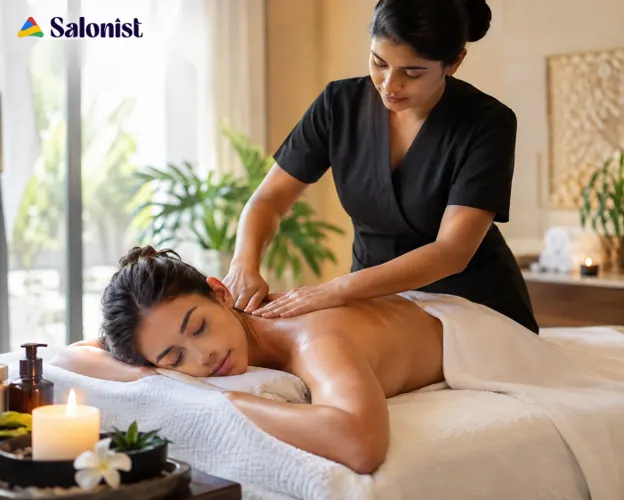
Strip away the pretty names and it’s fairly simple. A therapist exfoliates your skin from the neck down, rinses it off, then seals everything in with moisturiser or oil.
The exfoliating part is usually sugar, salt or ground coffee mixed with oil. Sometimes it’s a cream with fine particles suspended in it. The therapist works it over your skin in circles, which lifts away dead cells sitting on the surface.
That surface layer is the whole point. It’s what makes skin look dull, feel rough and resist moisturiser. Remove it, and the fresh skin underneath catches light properly again. Most menus list the treatment at sixty to ninety minutes. If you are looking for body polishing Dubai, you’ll notice something. Polishing usually sits in the same price bracket as a standard massage. Some places bundle it with a short rub-down at the end, which is where the extra half hour goes.
The name varies. Body glow, body buff, skin polish, luminance ritual. Underneath the marketing, the steps are much the same.
Why It Caught On Here
Live in the Gulf for a year and your skin tells you about it.
There’s the sun, obviously. There’s also sand and dust that settle on exposed arms and shoulders. Then there’s the part people forget. Air conditioning runs almost permanently, pulling moisture out of the air and out of you.
Add desalinated tap water, which many residents find leaves their skin feeling tight after a shower. Add chlorine from pool season, and salt from the beach.
Together, over months, it builds. Dry patches on the shins, rough upper arms, a general dullness that body lotion doesn’t fix.
Polishing deals with the buildup directly. That’s why it works better here than a richer moisturiser ever could.
There’s a cultural thread too. Exfoliation has been part of bathing traditions across the region for centuries, from the hammam to Moroccan black soap. Polishing is a gentler, quicker cousin of something people already knew.
A Session, Start to Finish
If you’ve never had one, the unknown is the awkward part. Here’s roughly how it goes.
You’ll fill in a short health form. Allergies, pregnancy, skin conditions, recent sunburn, anything you’d rather they avoided. Somebody should actually read it and ask a follow-up question.
Then you’ll change and lie on a heated bed, usually face down to start. The therapist works over one section at a time, keeping the rest of you covered.
The scrub goes on in small circular movements. Pressure should feel firm but not scratchy. Shins, elbows and knees get more attention, since that’s where skin builds up fastest.
Rinsing comes next. Depending on the spa, that’s either a warm shower or a Vichy table with overhead jets. Some places use warm towels instead, which is slower but gentler. Last comes moisturiser, sometimes with a short massage worked in. By then, most people are too relaxed to care what’s in the bottle.
One more thing worth knowing. Nobody expects you to make conversation, and most therapists take their cue from you. If you’d rather lie there in silence for an hour, that’s completely normal.
A tip from people who book these often: ask for extra time on the legs. It’s usually the area that benefits most, and therapists rarely mind.
Sugar, Salt, Coffee or Clay
The scrub itself is where spas differentiate themselves, and where your skin type matters.
Sugar dissolves slowly and has rounded edges, so it’s gentler. Good for sensitive skin, and safe on freshly shaved legs.
Salt is coarser and more aggressive. It suits thicker, tougher skin, and it stings on anything broken or recently waxed. Dead Sea salt shows up often on menus here.
Coffee grounds have had a long run of popularity. Does it shift cellulite? Almost certainly not. It does exfoliate well, though, and it smells wonderful.
Then there are the regional ingredients. Date seed powder, camel milk, oud, Arabian coffee, rose and argan oil all appear on menus across the Emirates. Some of it is marketing. Some of it genuinely works nicely on skin.
Grain size is worth asking about regardless of the ingredient. Fine grains suit most people, while coarse ones belong on feet and elbows rather than anywhere delicate.
If you react to fragrance, ask for an unscented base. Most spas keep one.
How It Differs From a Hammam or a Scrub
People use these terms loosely, which causes confusion at booking.
A Moroccan bath, or hammam, is the most intense experience. You sit in steam first. Black soap goes on and softens the skin. Then a kessa mitt is worked over you with real force. Skin comes off in visible rolls. It’s thorough and not always relaxing.
A plain scrub is the stripped-back version. Booking a body scrub in Dubai usually means something shorter, with no steam room stage and no frills. Polishing sits slightly above it, because it adds the moisturising finish.
A wrap is different again. Clay, seaweed or shea goes on. Then you’re wrapped in film or a blanket for twenty minutes while it sinks in. Wraps hydrate. They don’t exfoliate.
A good combination is polishing followed by a wrap. Clear the surface first, then feed it.
Who Books It, and Why
Brides, mostly, if you ask any therapist who has been working here a while. Wedding prep almost always includes a course of sessions, timed over the months leading up to the day.
Then there are the pre-holiday bookings. Nobody wants to unpack a swimsuit with ashy shins. But the biggest group now is neither. It’s people who simply book it every few weeks because their skin behaves better when they do.
Plenty of men book it too, though the menus rarely say so. Backs, shoulders and forearms take the worst of the sun in this part of the world.
It also suits anyone who gets ingrown hairs after waxing or shaving. Regular exfoliation genuinely reduces them, which is a practical benefit rather than a cosmetic one. Therapists hear about this one constantly, particularly from people who shave their legs in summer.
Does It Actually Do Anything?
Fair question. Beauty treatments attract a lot of optimistic claims.
What exfoliation reliably does is remove dead surface cells. That makes skin smoother to touch and more reflective, which reads as glow. It also helps moisturisers and self-tan absorb evenly rather than patchily.
What it doesn’t do is change your skin permanently. Cells keep shedding, buildup returns, and the effect fades over a few weeks.
Claims about cellulite and detoxing deserve scepticism. Massage during a treatment can make skin look temporarily smoother. Nothing in a scrub removes toxins from your body.
So: real benefits, modest ones, repeated over time. That’s a reasonable expectation to walk in with.
How Often Is Sensible
Every two to four weeks suits most people. Skin renews itself roughly on that cycle, faster when you’re younger.
How do you know you’ve gone too far? Weekly is too much for nearly everyone. Over-exfoliated skin turns red, stings in the shower and reacts badly to the sun. If your skin feels tight or looks shiny-pink the next day, you’ve overdone it.
Sensitive skin should stretch the gap to six weeks and lean toward sugar-based scrubs. Skin that’s already irritated needs nothing scrubbed into it at all.
Seasons matter as well. Winter’s dry indoor air leaves more flaking, so people often book more frequently from November through March. During peak summer, when everyone is in and out of pools and sun, a lighter touch makes sense.
Timing It Around Events
This catches people out constantly.
Don’t book a polish the day before a wedding or a big event. Skin can look slightly pink for a few hours, and occasionally longer on sensitive types. Three to five days ahead is the sweet spot.
The same logic applies to beach days. Freshly exfoliated skin burns more easily, so avoid strong sun for at least twenty-four hours afterwards.
Waxing needs a gap too. Exfoliate two or three days before, not the same day, and leave at least a day afterwards before scrubbing again.
Self-tan is the exception where timing works in your favour. Polish first, let skin settle overnight, then apply. The result lasts noticeably longer and fades more evenly.
Salon or At Home?
You can absolutely exfoliate at home. A mitt, a decent scrub and ten minutes in the shower does a reasonable job.
What you can’t do easily is reach your own back, or apply even pressure across your shoulders. That’s most of the difference.
Professional sessions also use stronger products and proper rinsing. The moisturising stage at the end is more thorough than most people manage alone.
A sensible middle ground: one professional session a month, with a gentle home scrub once a week in between. That keeps results going without overspending.
If you do exfoliate at home, be careful on the chest and inner arms. Those areas are thinner and bruise more easily than people expect.
Choosing Somewhere Decent
Hygiene first. Scrubs are messy, and rinsing areas need proper cleaning between clients. Have a look at the shower if you can.
Ask what products they use, especially with allergies. Nut oils are common in scrub bases. Ask about the rinsing method too. A Vichy shower is a very different experience from being wiped with towels, and some people have a strong preference.
Read reviews that mention actual results. “Lovely ambience” tells you less than “my legs stopped flaking for a month”.
Booking platforms help with the comparing stage. The Salonist marketplace, for instance, lists salons and spas alongside their services and reviews. That saves ringing round to ask who offers what.
And check the time quoted. Sixty minutes should mean sixty minutes of treatment, not forty once you’ve undressed and chatted.
What to Expect on Price
There’s a wide range across the Emirates, and setting drives most of it.
Neighbourhood salons sit at the lower end. Hotel spas charge considerably more, and you’re partly paying for the pool, the lounge and the robe. Whether that’s worth it depends on whether you’ll actually use any of them.
Technique doesn’t automatically improve with price. Some of the best therapists work in small places with no marble anywhere.
Packages lower the cost per session, which makes sense if you already book regularly. Try a single session first, though. Prepaying for six treatments at a spa you haven’t tested is a gamble.
Check how long a package stays valid before you buy. Six sessions sounds generous until you notice they expire in three months.
Afterwards
Moisturise daily for the next week while skin is receptive. This is when it absorbs best. Skip the hot bath, the sauna and anything with strong acids for a day. Freshly exfoliated skin reacts more than usual.
Sunscreen matters more than ever, including on arms and shoulders if you’re outdoors.
And drink some water. Not because it detoxes anything, but because the room was warm and you’ve been lying down for an hour.
Common Mistakes
Booking too often, as mentioned, is the main one. More is not better with exfoliation.
Staying quiet when the pressure hurts is another. Say something. A therapist would much rather adjust than leave you sore.
Shaving right before a session causes stinging, especially with salt scrubs. Leave a day’s gap.
Booking a salt scrub on sensitive skin is a common one too, usually because it was the only option listed. Ask for sugar instead.
And expecting one appointment to undo a year of neglect. The first session feels good. The third is when people usually notice the difference in holding.
Final Thoughts
Polishing has become popular here for straightforward reasons. The climate is hard on skin, the treatment addresses the actual problem, and results show up immediately.
The rhythm is what matters most. Keeping body polishing in Dubai to a regular schedule beats booking one as a rescue mission before a holiday. Every two to four weeks, matched to a scrub that suits your skin, works for most people.
Nothing complicated. Just consistency, and skin that feels better for it.

Angus Barker is a Manager at Salonist with over 10 years of experience working with salons, spas, massage centers, and beauty businesses, including the best hair and styling salons in Dubai. Through the Body treatments in dubai, he shares industry insights on business operations, customer experience, and emerging trends in the beauty and wellness sector.
Social Link(Linkedin): https://www.linkedin.com/company/salonist